The Future of E-commerce Web Design


E-commerce, or online shopping, is always changing, and web design plays a big part in what online shopping will look like in the future. As technology improves and people’s shopping habits change, businesses need to make sure their websites keep up. In this blog, we’ll talk about the key trends that will shape the future of e-commerce web design and how they can make online shopping better for everyone.
The Growing Importance of Mobile Commerce
More and more people are using their smartphones and tablets to shop online, which means that mobile commerce is becoming really important. For businesses, this means that having a mobile-friendly website isn’t just a nice extra—it’s something they absolutely need. A responsive design makes sure that the website looks good and works well on any device, whether it’s a small phone screen or a larger tablet.
When a website is easy to use on a mobile device, customers are more likely to stay on the site and make a purchase. This makes the user experience better and can significantly boost conversion rates—which means more people are buying products after visiting the site. Businesses that focus on making their websites mobile-friendly will be in a better position to attract today’s mobile shoppers.
Enhancing Shopping with Artificial Intelligence and Machine Learning
Artificial intelligence (AI) and machine learning are changing how online retailers interact with their customers. These technologies can look at what customers are doing on a website and then use that information to create a more personalized experience. For example, if a customer has been looking at a certain type of product, AI can suggest similar items that they might like.
When shopping feels personalized, customers are more likely to enjoy the experience and make a purchase. By using AI in their commerce website design, businesses can make their websites smarter and more responsive to each customer’s needs. This can lead to happier customers who are more likely to return and buy again, which is great for business.
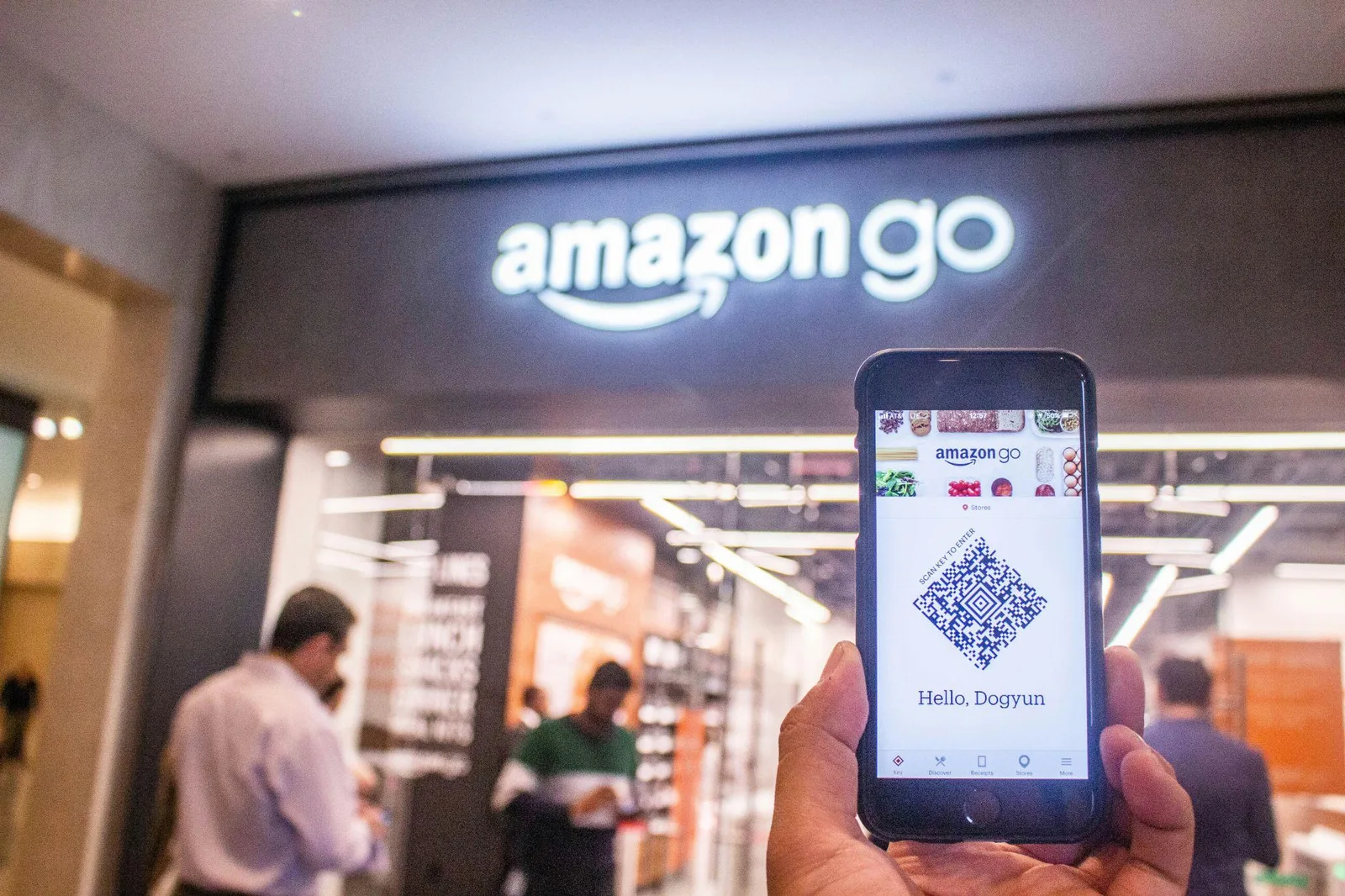
Social Commerce: Shopping on Social Media
Social commerce is becoming a big trend in e-commerce. Many people spend a lot of time on social media platforms like Instagram, Facebook, and TikTok, and businesses are using these platforms to sell products directly to customers. Social commerce blends the fun of social media with the convenience of online shopping, allowing businesses to reach more customers.
In the future, we’ll likely see more online shops adding social features to their websites, like letting customers share their purchases on social media or even shop directly through social media posts. This trend not only makes shopping more social but also helps businesses connect with their customers in new and exciting ways, leading to more loyalty and higher sales.
Transforming Shopping with Augmented Reality (AR) and Virtual Reality (VR)
Imagine being able to see how a piece of furniture would look in your living room before you buy it or trying on clothes virtually to see how they fit. Augmented reality (AR) and virtual reality (VR) are making these kinds of experiences possible. AR lets customers interact with products in their real-world environments, while VR can create entirely new shopping spaces that feel almost real.
By adding AR and VR to their web design, businesses can offer a more interactive and engaging shopping experience. This doesn’t just make shopping more fun—it also helps customers make better decisions about what to buy, which can reduce returns and increase customer satisfaction.

Making Checkout Easy with More Payment Options
A smooth and secure checkout process is essential for a good online shopping experience. Today’s customers want to be able to choose how they pay, whether it’s with a credit card, a digital wallet like Apple Pay, or even cryptocurrency. By offering a variety of payment options, businesses can make it easier for customers to complete their purchases.
A well-designed commerce website will include an easy-to-use and secure payment system that works for everyone. When customers can pay the way they want, they’re more likely to follow through with their purchases, which means more sales for the business.
The Power of Personalization in Increasing Conversions
Personalization is becoming a key factor in increasing conversions—which means turning visitors to a website into paying customers. When customers feel that a website understands their needs and preferences, they’re more likely to buy something. Personalization can be as simple as showing products based on what a customer has looked at before or offering special deals tailored to their interests.
Using AI and data analytics, businesses can create shopping experiences that feel personal and relevant to each customer. This not only makes shopping more enjoyable but also increases the chances that customers will make a purchase. As personalization tools get even better, they will play an even bigger role in e-commerce, helping businesses connect with customers on a deeper level.

Designing User-Friendly Websites
A successful e-commerce website needs to be user-friendly. This means it should be easy to navigate, quick to load, and simple to use. When a website is well-organized and easy to understand, customers can find what they’re looking for faster and with less effort.
A user-friendly design includes clear navigation menus, fast-loading pages, and a layout that guides customers through the shopping process. Businesses that focus on creating websites that are easy to use will have a big advantage, as customers are more likely to shop on websites that are straightforward and hassle-free.
The Future of Online Retailers
The future of online retailers will depend on how well they adapt to new trends and technologies. Businesses that embrace mobile commerce, AI, social commerce, AR/VR, and personalization will be better equipped to meet customer expectations. But it’s not just about technology—building trust with customers is also crucial.
To build trust, businesses need to offer secure payment options, provide excellent customer service, and be transparent about their products and services. As e-commerce continues to grow, customers will look for brands they can trust to deliver a great shopping experience every time.
Conclusion
The future of e-commerce web design is exciting and full of possibilities. As technology continues to advance, businesses must adapt their websites to meet the changing needs of their customers. By focusing on mobile commerce, personalization, social commerce, AR/VR, and user-friendly design, businesses can create a seamless and engaging online shopping experience that drives conversions and builds customer loyalty. Those who embrace these changes and keep their customers at the heart of their web design strategies will be the ones who succeed in the competitive world of online retail.
Ready to elevate your online presence? Contact OCImagine for a free consultation. We offer web design, app development, ecommerce solutions, and AI automation for businesses in Orange County and beyond.