

AI chatbot vs AI agent comparison illustration for Orange County businesses
14 min read
This article compares AI chatbots and AI agents for Orange County businesses, helping readers understand the key differences between basic customer service automation and advanced business workflow systems. Chatbots offer affordable, quick-to-implement customer service solutions, while AI agents provide comprehensive business automation with higher costs but greater long-term value and ROI potential.
AI has changed how Orange County businesses talk to customers. But picking between AI chatbots and AI agents can feel hard. Also, knowing the differences helps you make the right choice for your business goals.
Both tools offer unique benefits for high-impact work. However, they serve different needs. The best choice depends on your specific needs, budget, and project success plans.
In this guide, we’ll explore both options. As a result, you’ll know which AI tool works best for your Orange County business. This will help your portfolio strategy and best creative work.
Table of Contents
- Understanding AI Chatbots
- AI Agents: Advanced Business Tools
- Key Differences Between Both Options
- When to Choose Chatbots
- When AI Agents Make More Sense
- Costs and ROI
- Final Decision Guide
Understanding AI Chatbots: The Foundation of Customer Service
AI chatbots are the easiest way to start with business automation. These chat tools handle routine customer talks through text or voice. Also, they excel at answering common questions for team members.
Modern chatbots use smart language tools. They understand what customers want. Therefore, they can give helpful answers without human help.
Plus, they work well with websites and social media. This helps your team members focus on best creative work instead of routine tasks. Most Orange County small businesses start with chatbots for portfolio creation.
Chatbots cost less and are easy to set up. As a result, they offer quick value by cutting response times. Also, they free up staff for more complex tasks and career growth.
This creates better career paths for your team members. Chatbots also collect useful customer data. This helps improve service quality over time and professional development.
Furthermore, they provide 24/7 support without extra staff costs. Many businesses see improved customer satisfaction with chatbot systems. This supports high quality work across different work type.
For graphic design firms and creative agencies, chatbots can handle project inquiries. They can collect project title details and client info. This helps team members focus on high-impact work instead.
This approach improves the work environment and career goals. It also creates better professional relationships within your team. The narrative approach helps clients understand your services better.
Most graphic design studios see better client communication with chatbots. For example, they can share portfolio examples instantly. They can also collect project details before human contact.
- 24/7 customer support without extra staff costs
- Quick responses to common questions
- Lead screening and first customer contact
- Easy connection with existing CRM systems
- Simple setup for portfolio creation needs
- Good work type for small businesses
However, basic chatbots have limits. They struggle with complex requests. Also, they cannot do actions outside their set programs and project management needs.
Still, they provide great value for businesses focused on customer service automation. This supports professional development goals for your team. The key is using a narrative approach that fits your brand voice.

Business professionals using AI chatbots and AI agents in Orange County office
AI Agents: Advanced Business Tools for Professional Growth
AI agents are more advanced than chatbots. Unlike chatbots, these smart systems can handle complex tasks across many business areas. Moreover, they can study data and make decisions for project success.
They also run multi-step workflows on their own. This supports high-impact work across different career paths in your company. These advanced AI helpers connect with your existing business tools and team members.
Therefore, they can access customer records and update databases. Plus, they work between different departments. Also, they learn from each interaction to get better over time.
This creates ongoing value for your professional development efforts. AI agents excel at handling complex business processes. They need thinking and decision-making skills for portfolio strategy.
For example, they can study customer purchase history. Also, they suggest products and process orders. Plus, they follow up with custom marketing messages in real time.
They can also schedule appointments and manage inventory. Furthermore, they create detailed reports in real time. Orange County businesses that use AI agents often see big improvements in how they work.
These systems can work with human employees. They handle routine tasks while humans focus on strategic work. As a result, they represent a big investment in long-term business growth and career field advancement.
This supports career growth for team members too. It creates better professional relationships within your organization. Research shows that AI agents improve business efficiency by up to 40% across the United States.
For project management teams, AI agents offer powerful benefits. They can track project progress across multiple career paths. Also, they help with problem solving and resource planning for best creative work.
This creates a better work environment for everyone. It also supports networking events and professional networking goals. Mobile app development teams use AI agents to manage complex projects and skill set development.
The narrative approach with AI agents involves deep personal and professional integration. This means they learn your business patterns over time. Therefore, they become more valuable as they understand your unique processes.
Key Differences Between Chatbots and AI Agents
Understanding the main differences between these tools helps you make a smart decision. Both use AI technology. However, they work at different complexity levels and career goals.
Also, they serve different business needs and career growth opportunities. This affects your overall project success strategy and portfolio creation. Chatbots mainly focus on chat and customer interaction with team members.
They answer questions and provide information. Plus, they guide users through simple processes. However, their abilities stay limited to set scenarios and responses for work type.
This works well for specific project title needs but limits flexibility. AI agents can perform complex business operations beyond simple chats. They access multiple data sources and analyze information for career field professionals.
Furthermore, they run sophisticated workflows. Plus, they can learn from patterns and make independent decisions. This supports more advanced portfolio strategy development and professional development.
The scope of integration also differs between these solutions. Chatbots typically connect to websites and messaging platforms. Meanwhile, AI agents integrate deeply with business systems for team members.
This includes ERPs, CRMs, and analytics tools. This deeper integration supports better professional development outcomes. Cost considerations vary greatly between these options and career paths.
Chatbots need lower upfront investment and minimal ongoing care. In contrast, AI agents demand higher initial costs. However, they deliver greater long-term value for professional relationships and high quality work.
They also support more complex career field advancement. For career field professionals, this choice affects long-term growth. Chatbots work well for short term needs and basic portfolio creation.
The narrative approach differs between both systems. Chatbots use simple scripts and responses. Meanwhile, AI agents develop personal and professional understanding of your business.
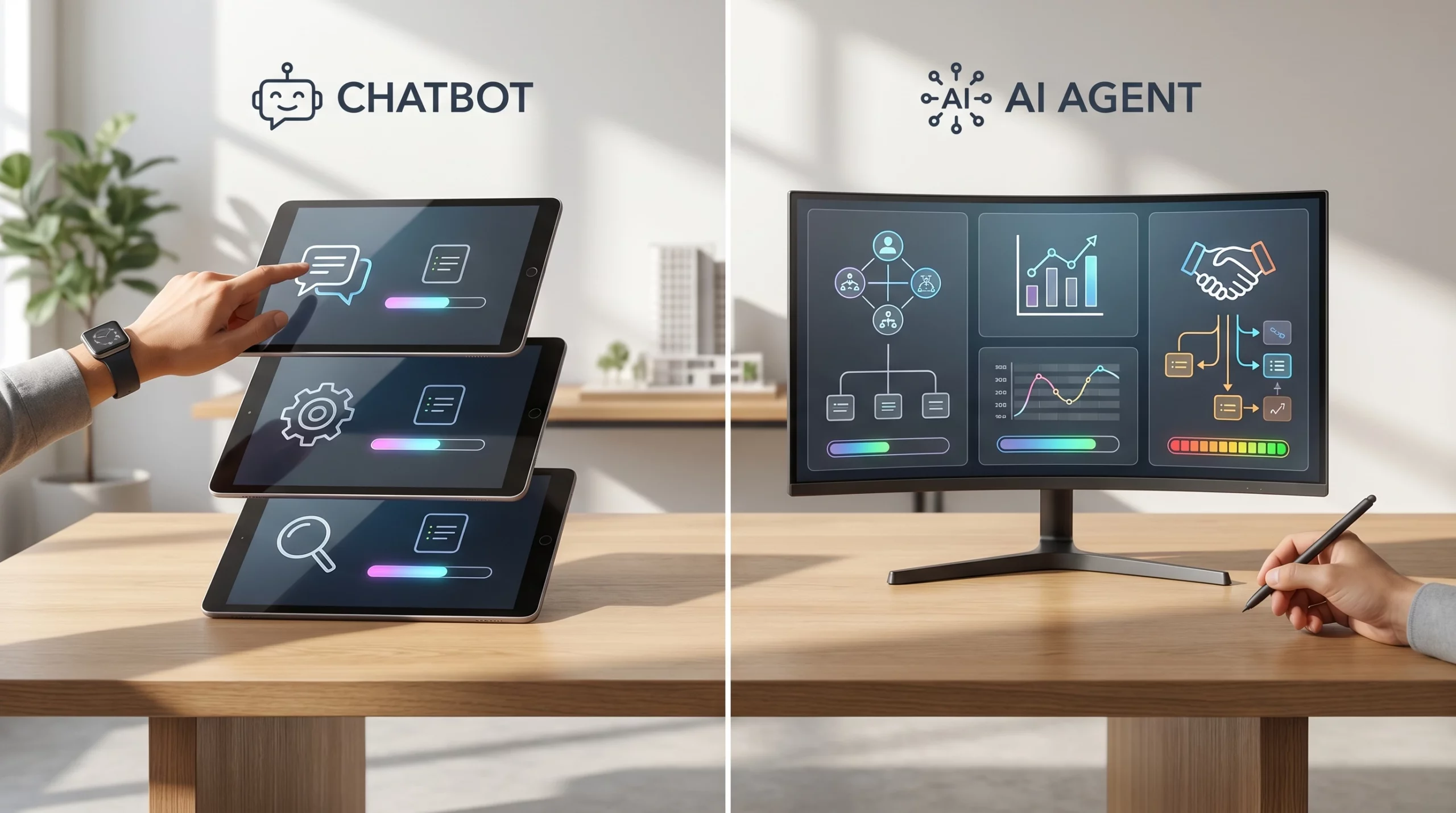
Comparison chart of AI chatbot vs AI agent features for small businesses
When to Choose AI Chatbots for Your Orange County Business
Chatbots make perfect sense for businesses that want to improve customer service. They also help with lead generation. If your main goal involves better response times, chatbots offer excellent value for team members.
Also, they work well for businesses with limited tech resources and smaller budgets. This makes them ideal for many work type in Orange County. Small retail businesses, restaurants, and service providers often benefit most from chatbots.
These industries handle many repetitive customer questions. Questions include hours, pricing, and basic services. Furthermore, chatbots can qualify leads and schedule appointments without human help for professional development.
This supports better career growth for your team members. Consider chatbots if your business gets high volumes of similar customer questions. They excel at providing consistent information for project management.
Plus, they keep your brand voice across all interactions. Moreover, they can handle multiple chats at the same time. This creates efficiency that supports high quality work output and portfolio strategy.
Chatbots also work well as a first step toward more advanced AI use. They help businesses understand AI abilities. Plus, they build confidence in automation technologies for career paths.
Therefore, many Orange County companies start with chatbots. Then they upgrade to AI agents as they grow. This gradual approach supports career growth and skill set development across the United States.
The setup timeline for chatbots is typically shorter than AI agents. Most businesses can deploy working chatbots within weeks rather than months. As a result, they provide faster time-to-value for project success.
This helps companies needing quick improvements to their portfolio creation process. It also supports short term project goals effectively. For graphic design studios, chatbots can handle basic client questions about best creative work.
They can share portfolio examples and pricing info. This frees up creative team members for high quality design work. It also improves the overall work environment and professional relationships.
The narrative approach for chatbots focuses on simple, direct communication. This works well for businesses with straightforward services. It creates mutually beneficial outcomes for both customers and businesses.
When AI Agents Make More Sense for Your Operations
AI agents become the better choice when your business needs comprehensive workflow automation. Companies with complex operations benefit most from agent implementation. This includes businesses with multiple departments and sophisticated business processes for team members.
Also, businesses ready to invest in advanced technology should consider AI agents. This supports long-term professional development across all career paths. Professional services firms and e-commerce businesses often find AI agents more valuable than simple chatbots.
Growing companies also benefit greatly from project management features. These organizations need systems that can handle complex tasks. This includes inventory optimization and portfolio strategy development.
Furthermore, they need tools that can adapt and learn from changing business conditions. Consider AI agents if your business struggles with data silos and manual processes. These systems excel at connecting different business functions for career growth.
Plus, they automate complex workflows in real time. Moreover, they can provide insights and recommendations. These help improve overall business performance and career field advancement for team members.
AI agents also make sense for businesses with ambitious growth plans. They scale more effectively than chatbots. Plus, they can handle increasing complexity as your operations expand across different work type.
Therefore, they represent a more future-proof investment in automation technology. This supports advanced portfolio strategy development over time. The decision often depends on your readiness for comprehensive digital change and skill set improvement.
AI agents need more significant changes to existing processes and workflows. However, they deliver greater improvements in efficiency and competitive advantage. This supports long-term professional development goals and networking events.
It also creates better career opportunities for your team members. For mobile app development teams, AI agents can manage multiple projects at once. They track progress across different career paths and support problem solving.
The narrative approach with AI agents involves deep learning and adaptation. This creates personal and professional value that grows over time. Therefore, they become more valuable as they understand your unique business needs.

ROI analysis for AI chatbot and AI agent implementation costs in Orange County
Implementation Costs and ROI Considerations
Budget considerations play a crucial role in choosing between chatbots and AI agents. Understanding the total cost helps you make a smart financial decision. This aligns with your business goals and available resources for professional development.
This also affects your portfolio strategy and career growth budget. Planning costs carefully supports better project success outcomes. Chatbot implementation typically costs between $5,000 and $25,000 for team members.
This includes initial development, integration, and basic training. Also, ongoing maintenance costs range from $500 to $2,000 monthly for different work type. This makes chatbots accessible for many career field professionals.
AI agent implementation needs much higher investment. This typically ranges from $25,000 to $100,000 or more for comprehensive solutions. However, they deliver greater functionality.
Return on investment calculations should consider both direct cost savings and indirect benefits. Chatbots mainly save labor costs in customer service departments. Meanwhile, AI agents can improve revenue through better lead conversion.
They do this through enhanced efficiency and real time insights. This supports high-impact work across all business areas. Orange County businesses should also consider the opportunity cost of delayed implementation for career paths.
While AI agents need higher upfront investment, they can provide competitive advantages. These become increasingly valuable over time. They also support better professional relationships and networking events for team members.
Making Your Final Decision
Choosing between AI chatbots and AI agents depends on your specific business needs and growth objectives. Chatbots offer an excellent starting point for customer service automation. They provide quick wins at lower cost for team members.
Meanwhile, AI agents provide comprehensive business change abilities. They support long-term professional development and career growth across all team roles. Consider starting small with chatbots if you’re new to AI technology and portfolio creation.
Choose AI agents if you’re ready for comprehensive business change. They work best for organizations with complex operations and ambitious growth plans in their career field. The higher investment delivers greater long-term value.
Remember that the best choice aligns with your current priorities and future vision. Consider your work environment, team capabilities, and career goals. The right AI solution should enhance your portfolio strategy and support project success.
Most importantly, choose a solution that supports mutually beneficial outcomes for all stakeholders. Your AI system should benefit customers, employees, and business owners alike. This creates sustainable growth and positive professional relationships.
Frequently Asked Questions
What is the main difference between AI chatbots and AI agents?
AI chatbots are designed primarily for customer communication and answering routine questions through text or voice interactions. AI agents are more advanced systems that can handle complex business operations, analyze data across multiple departments, run sophisticated workflows, and make independent decisions while integrating deeply with existing business systems.
How much does it cost to implement chatbots vs AI agents?
Chatbot implementation typically costs between $5,000 and $25,000 for initial development and integration, with ongoing maintenance ranging from $500 to $2,000 monthly. AI agent implementation requires a much higher investment, typically ranging from $25,000 to $100,000 or more for comprehensive solutions, but delivers greater functionality and long-term ROI.
Which option is better for small Orange County businesses?
Small businesses with limited tech resources and smaller budgets often benefit most from chatbots initially. They're ideal for retail businesses, restaurants, and service providers that handle many repetitive customer questions about hours, pricing, and basic services. Chatbots provide quick wins at lower cost and can serve as a stepping stone to more advanced AI solutions.
When should a business choose AI agents over chatbots?
AI agents make more sense for businesses with complex operations, multiple departments, and sophisticated business processes. They're ideal for professional services firms, e-commerce businesses, and growing companies that need comprehensive workflow automation, data integration across systems, and advanced analytics capabilities.
Can businesses start with chatbots and upgrade to AI agents later?
Yes, many Orange County companies start with chatbots to understand AI capabilities and build confidence in automation technologies, then upgrade to AI agents as they grow. This gradual approach allows businesses to learn from their initial AI implementation while minimizing risk and building toward more comprehensive solutions.
What are the main benefits of chatbots for customer service?
Chatbots provide 24/7 customer support without extra staff costs, quick responses to common questions, lead screening and initial customer contact, easy integration with existing CRM systems, and the ability to handle multiple conversations simultaneously while maintaining consistent brand voice and information delivery.
How do AI agents improve business efficiency?
AI agents can improve business efficiency by up to 40% through automated complex workflows, real-time data analysis and reporting, integration across multiple business systems, learning from patterns to make independent decisions, and handling routine tasks while allowing human employees to focus on strategic work.
What should businesses consider when calculating ROI for AI implementation?
ROI calculations should consider both direct cost savings (like reduced labor costs in customer service) and indirect benefits such as improved lead conversion, enhanced efficiency, better customer satisfaction, competitive advantages, and the opportunity cost of delayed implementation. AI agents typically provide greater long-term value despite higher upfront costs.