How Much Does Custom Software Development Cost? Pricing Factors, Estimates, and Ongoing Costs

Asking “how much does custom software development cost” resembles asking a general contractor how much building construction costs. You might need a simple, pre-fabricated garden shed to store tools, or you could require a multi-story office complex capable of withstanding earthquakes; while both are technically “buildings,” their blueprints, materials, and labor requirements are worlds apart.
If you have gathered proposals recently, you may have seen estimates ranging widely—perhaps from $10,000 to over $150,000. In practice, this massive gap rarely reflects arbitrary profit margins but rather the difference in scope between vendors. Lower quotes often cover only the initial development costs of a fragile prototype, whereas higher estimates usually account for the rigorous engineering required to ensure security, speed, and long-term reliability.
Custom software is not a static product you pull off a shelf; it is a service comprised of hundreds of hours of skilled human labor. At OCImagine, our custom software solutions team combines engineering expertise with cutting-edge AI to deliver software that doesn’t just work but gets smarter over time.
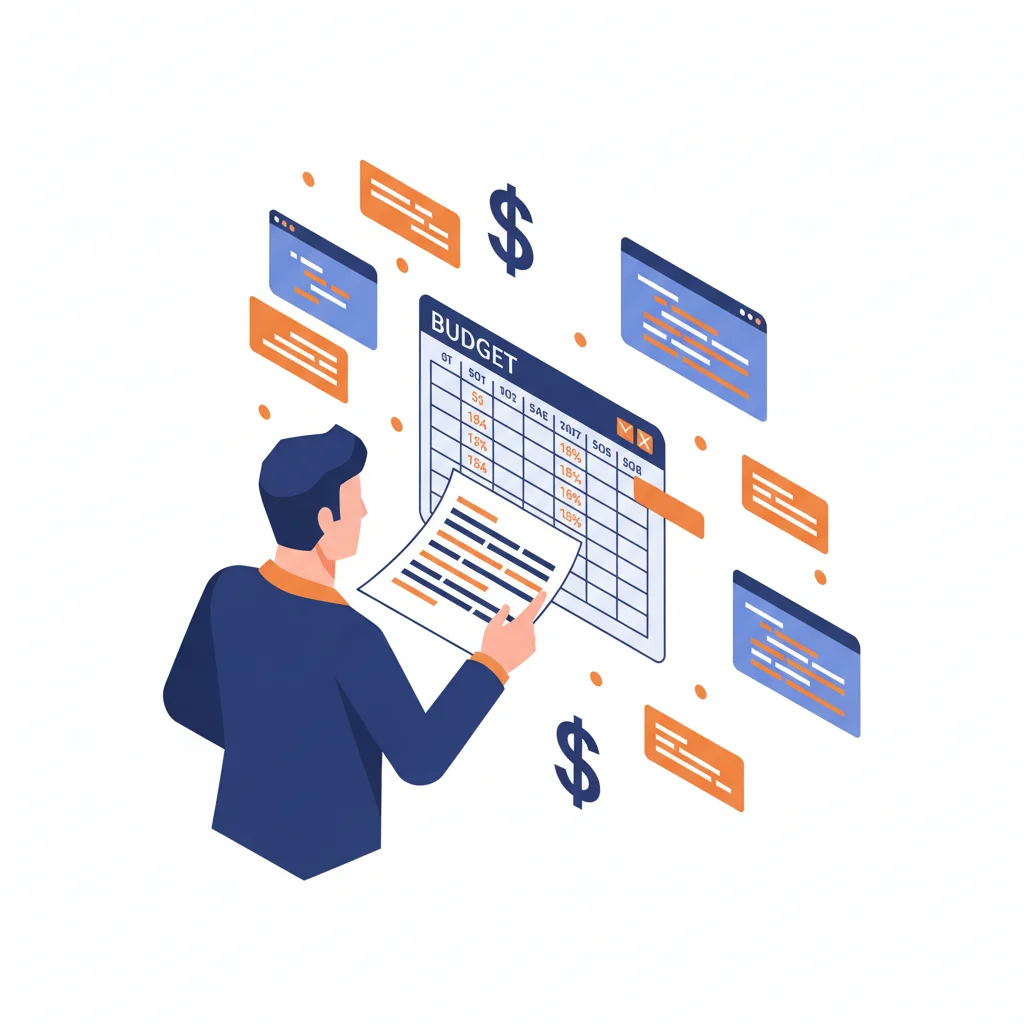
The $40,000 to $500,000 Spectrum: Identifying Your Pricing Bracket
Finding a “standard price” for software is nearly impossible because the term covers everything from a digital garden shed to a virtual skyscraper. Most projects fall into three primary financial buckets based on their scope and risk profile:
- Small / MVP ($40k – $75k): An MVP covers the Minimum Viable Product—just enough functionality to solve one core problem and test the market. Think of this as a pop-up shop: functional and branded, but built for speed rather than permanence.
- Mid-Market ($75k – $250k): These are mature products intended for sustained growth, featuring robust security, deep user account management, and integrations with other tools like payment gateways.
- Enterprise ($250k+): An enterprise-level system requires heavy compliance, the ability to handle millions of users, and zero downtime. This is infrastructure, not just an app.
Moving between these tiers involves exponential, rather than linear, cost increases. An enterprise-grade solution isn’t just ten times larger than a startup app; it requires vastly more “invisible” engineering to ensure stability. The jump in price reflects the shift from “making it work” to “guaranteeing it never fails.”
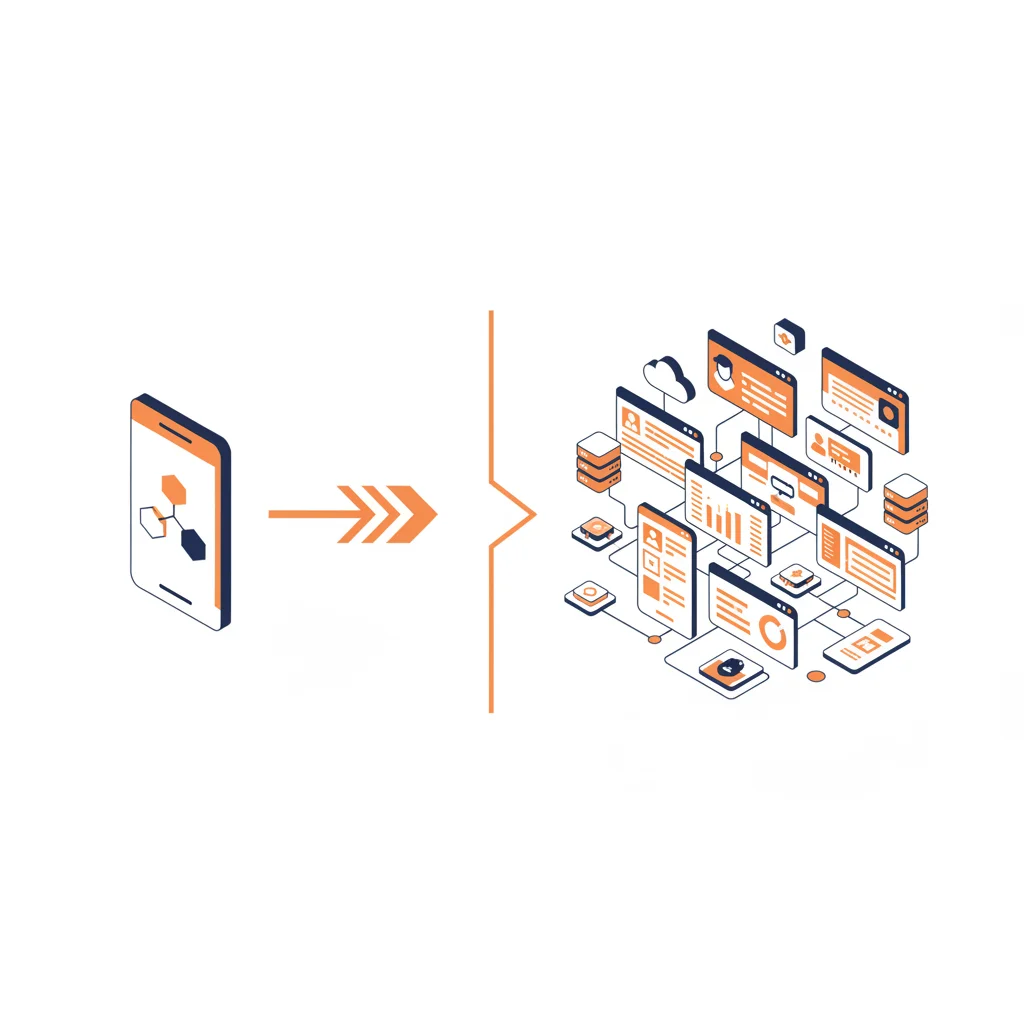
Features as ‘Rooms’: How Complexity Dictates the Foundation
When you look at a blueprint, adding a new room seems simple—just a few lines on paper. However, that extra room requires invisible infrastructure like wiring, insulation, and plumbing to make it livable. The cost of custom software works the same way: the front-end (what users see) is merely the paint and fixtures, while the back-end (the server logic and databases) represents the expensive foundation hidden behind the drywall.
The specific functional requirements that consistently drive up budgets include:
- User Authentication: Managing multiple access levels requires complex logic to ensure users only see what they are permitted to access.
- Data Encryption: Storing sensitive information demands rigorous security standards that drastically increase development time.
- API Integrations: Connecting your app to third-party tools (like Stripe for payments or Google Maps) acts like installing a “digital translator” which increases cost and maintenance needs.
If you’re considering building a mobile application alongside your software, our app development team in Orange County can help you plan the right approach from day one.
The Talent Bill: Balancing Junior Developers and Enterprise-Grade Specialists
A senior engineer might charge three times as much as a junior counterpart, but their experience allows them to solve complex architectural problems in a fraction of the time, effectively lowering the total project cost. Relying heavily on junior developers to save money upfront frequently results in “spaghetti code”—disorganized work that requires expensive rewriting later.
The smartest budget strategy involves a balanced mix: senior talent to build the secure foundation, juniors to handle routine features, and a project manager to steer the ship. This structure ensures you aren’t paying expert rates for basic tasks while still protecting the product’s core stability.
Global Labor Markets: Offshore vs. Onshore Development
When reviewing proposals, the stark contrast in hourly rates between domestic and international agencies often feels like a loophole. The answer lies in “communication overhead”—the hidden tax of time zones, language barriers, and cultural context.
- North America ($150-$200/hr): High strategic alignment and autonomy, but maximum expense.
- Eastern Europe / LatAm ($40-$70/hr): The “Nearshore” balance of high technical skill, overlapping work hours, and moderate cost.
- South Asia ($25-$50/hr): Lowest rates, but often requires significant nightly oversight to bridge the time gap.

According to Glassdoor’s salary data, the average software developer salary in the US ranges from $80,000 to $150,000+, which directly impacts hourly rates for custom development projects.
Why UI/UX and QA Are Non-Negotiable
User Experience (UX) is actually the blueprint that dictates flow; if a customer cannot intuitively find the checkout button, the most robust code in the world yields zero revenue. Similarly, Quality Assurance (QA) serves as your primary insurance policy against public failure.
Most reputable agencies allocate 15% to 20% of the total budget to QA, ensuring that a $50,000 investment isn’t derailed by a glitch that deletes user data on launch day. Our web design team ensures every project includes thorough UX research and testing.
Beyond the Launch: The 20% Annual Maintenance Fee
Many stakeholders view launch day as the finish line, but it actually marks the beginning of a long-term investment. Custom applications generate post-launch costs that typically run 15% to 20% of the initial build price annually. These generally cover four distinct buckets:
- Hosting & Licenses: Monthly rent for servers and third-party tools.
- Security Patches: Defense against evolving cyber threats.
- OS Updates: Adjustments when Apple or Google update their platforms.
- Bug Fixes: Resolving minor issues discovered during real-world usage.
Fixed Price vs. Time & Materials
A Fixed Price model acts like a strict construction bid: you agree on a precise set of blueprints for a guaranteed fee. This creates financial safety for small, well-defined projects. However, vendors typically bake in a 15-25% “risk premium” to cover unforeseen challenges.
Complex initiatives usually benefit from Time & Materials (T&M). This approach allows your team to pivot based on early user feedback without stopping development to haggle over paperwork.
Cutting Costs Without Cutting Corners: The MVP Strategy
The most effective leverage you have to control spending is rigorously managing scope. By launching a streamlined product that solves a single core problem, you can reduce upfront capital requirements by nearly 40%. Consider these tactics:
- Phase your rollout: Move complex “nice-to-have” features to Phase 2 to speed up time-to-market.
- Buy, don’t build: Use existing integrations for standard functions like payments rather than coding from scratch.
- Focus your design: Invest heavily in core user flows, keeping internal admin screens simple.
If you’re exploring AI-powered features for your custom software, our AI solutions team can help you identify the highest-ROI opportunities before you start building.
Your 4-Step Action Plan for Getting a Reliable Estimate
Understanding the drivers behind your cost estimate transforms a daunting number into a manageable business lever. Follow this roadmap:
- Define the Core Problem: Document exactly what the software must achieve before listing features.
- Set a Budget Range: Determine your financial ceiling to filter out mismatched vendors immediately.
- Interview 3 Vendors: Compare proposals based on communication and maintenance plans, not just price.
- Start with a Discovery Phase: Commission a paid blueprint before starting full construction.
Treat custom software as a living asset rather than a one-off expense. Ready to get a realistic estimate for your project? Contact OCImagine for a free consultation — we’ll help you understand exactly what your project needs and what it will cost.
Ready to elevate your online presence? Contact OCImagine for a free consultation. We offer web design, app development, ecommerce solutions, and AI automation for businesses in Orange County and beyond.